
Let’s talk about consequences.
I love cacti. I am very bad at taking care of plants, constantly forgetting to water them, so cacti and I get along just fine. I do not bother them, and they enjoy it.
I recently relocated a few of them to a different room and “demoted” them from a higher windowsill to a lower shelf by the window—a shelf easily accessible to a very curious dog’s nose, not experienced with what a cactus is or why it should not be poked.
Orca notices every change in her environment. Of course, she could not ignore this one, so she came to investigate. I took a comfortable stance on the couch, observing how her environment naturally teaches her about consequences—punishing and thus prohibiting a behavior that would not have fit well with the new order of things.
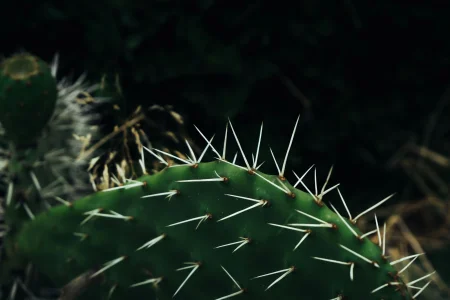
Orca approached a cactus and extended her head for a closer sniff. As soon as she got too close, she was poked in the nose and immediately pulled back. Confused, she tried again. Poke. My good old pal cactus insisted she learn this new lesson.
The third time, she decided to paw at the plant—once again with unpleasant consequences. After running around a bit longer and finally accepting that these plants are not to be touched, she left, disinterested, to contemplate her life choices while looking through the window.
Question for all the positive-reinforcement-only followers: should I throw away my cactus, which clearly resorted to forceful methods, or my dog, which did not even attempt to bribe the cactus with treats?
What? You think this is ridiculous? I do not think it is any more ridiculous than believing that failing to show unpleasant consequences will prepare a dog for real life.
Whenever you doubt whether corrections and consequences belong in training, ask yourself: what would you do if you were a cactus?