
On countless occasions I’ve talked people out of getting a certain type of dog.
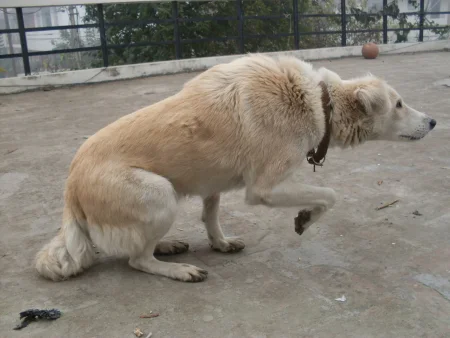
Often, I’ve specifically advised them not to choose that sad-looking shelter dog shivering in the corner—the one described as “Shy and timid; takes time to warm up, but once it does it will be the most special dog.”
What I’m about to say might come off as malicious or snobby. I don’t care about optics. I care about whether the people who think they “need” a certain dog are actually prepared for THAT dog.
A relationship with a dog isn’t just love and companionship. It’s a constant negotiation with the parts of dogs that are, well, dogs. And one of the biggest forces in canine behaviour is genetic fear.
Fear keeps wild animals alive. They don’t trust new environments. They don’t trust unfamiliar creatures. They stay cautious. They run before they fight. It’s smart. It’s survival.
Humans, however, prefer that their pet dogs don’t act like wild animals. They want confident, outgoing companions who meet new experiences with curiosity, not terror.
A confident dog doesn’t happen by accident. It’s the product of thoughtful breeding that selects for stability and sound nerves. But genetic fear never fully disappears, and it shows up loudly in poorly planned breedings.
When that happens, you get fearful, twitchy dogs who distrust anything new. I’ve seen countless dogs like this in my classes, and I’ve worked with their well-meaning owners who just want their dog to feel safe in its own skin.
Bad breeders and bad shelters slap labels on these dogs—“timid,” “shy,” “slow to warm up.” Let’s be honest: this is bullshit. These dogs are expressing what their genes programmed them to express—fear.
And you cannot train that out. It’s like trying to pray away the gay—it doesn’t work.
If fear is in the biology, it’s there for life, and you need to be ready for the unpredictable ways it will manifest. Genetic fear can turn into aggression when a dog feels cornered—which can be triggered by almost anything. It leads to extreme reactivity, bolting, shutdowns, and, yes, pure unpredictability.
No one who doesn’t fully understand what it means to live with a genetically fearful dog should be talked into adopting one just because they feel sorry for it.
A genetically fearful dog requires structure, expertise, and constant management. It needs an owner who understands behaviour, body language, and risk. Someone who will not take it personally when the dog panics at a falling leaf or snaps at a child's hand. Someone prepared for a lifetime of careful handling—not someone who just wants to “save” a sad face.
Loving dogs means respecting what they are, not what we wish they were.
So if you ever feel drawn to the shivering dog in the corner because your heart aches for it, stop and ask yourself: Are you willing—and able—to live with the dog it really IS, not the dog you hope it will BECOME?
If the answer is no, that does not make you heartless.
It makes you honest, smart, and responsible.