
The nature versus nurture debate is very old and very prominent in pet culture.
It becomes particularly loud whenever a dog mauls somebody and the story makes it to the news. You will hear one side vehemently yelling that this was the dog’s fault and it needs to be put down, whereas the opponents would blame the owners. Where is the truth?
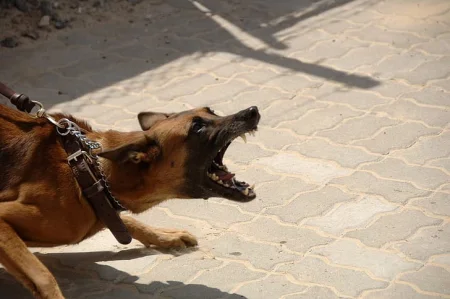
Every single dog is born with a wiring in their brain that determines their behavioural patterns in the future. This is why we have so many breeds, and this is why we were able to cultivate specific desirable qualities peculiar to each breed. Of course, all dogs can bark and, technically, all can bite when provoked. However, the strength and the willingness to bite vary drastically between different breeds, and so does their confidence when confronting a human specifically. That is, a husky will not bite with the same strength or the same determination as a Malinois: the former will likely nip and jump away, and the latter will latch and shake until their prey item is dead.
This shake-till-its-dead behaviour is also characteristic of many terriers—because shaking and killing is why they were bred—and not characteristic at all of primitive dog breeds or sporting breeds. This genetic predisposition does not necessarily make a specific dog dangerous by default, because very often good breeders make sure that the dog’s ability to persevere in attack and to withstand pain is combined with a clear head and an ability to distinguish between what needs to be killed and what must not be touched. However, problems can happen when a person gets a puppy from a breeder who does not care about genetics and the repercussions of poor gene combinations and just breeds whatever they have on hand.
Whenever a puppy who is wired to latch, shake, and kill, and who does not have a pre-programmed stop-signal due to poor breeding practices ends up with an owner who believes that “this is all how you raise them,” the real troubles begin. What is not there genetically (off-switch and stop-signal) must be compensated by very, very solid training and meticulous management.
Instead, it is very often that oblivious or irresponsible owners, having the dog’s best interest at heart, surround this puppy with love and allow it to do whatever it desires. As a result, they end up with a powerful, strong, and extremely cocky dog who is now a danger to these people’s families and to society at large. Add a little child to this mix, and this becomes a tragedy waiting to happen.
Back to the initial question: where is the truth? The truth is that nurture cannot completely conquer nature. A knowledgeable and patient upbringing can prevent many behavioural problems and compensate for reactivity, aggression, fear, and anxiety. However, it is important to be aware that the issues, however dormant they might be at the moment, will not completely disappear, and therefore, a solid management system is crucial.
Failure to understand and recognize the existence of issues is what causes dog bites, and of course, most dogs who are involved in these attacks were initially bred to latch, shake, and kill their opponent. It is virtually impossible to out-love a dog’s biting pattern (whether they will nip, latch and hold, shake, or not bite at all), and likewise, no kind treatment can compensate for this dog’s inherent prey drive and desire to chase things.
How to prevent these issues? If you are new to the dog world and have no clue how to identify a good breeder, talk yourself out of the idea that you need a powerful breed because, statistically speaking, your chances of getting a poorly-bred dog and ending up with a bunch of issues (mental and health), are pretty high. Want a scary-looking big dog? Do not get a pitbull or a rottweiler; instead, get a black labrador.
If you are dead-set on getting a powerful breed known to be able to bite well, spend time researching the lineage of your prospective puppy and never believe breeders who have zero working titles on their dogs. It speaks to their stock’s mental unpredictability.
If you ended up with a rescue and have no clue about its genetic makeup but clearly realize that there are issues, such as resource guarding, dog or human aggression, or barrier reactivity, jump on it right away and start training. It is always better now than later.