
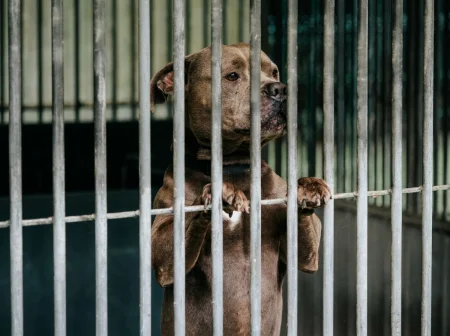
Many years ago, I have worked at a dog shelter. It was a no-kill type of shelter, where dogs were kept until they got adopted. Back then, I was a naïve teenager with a big heart, black-and-white view of things, and a huge ambition to save the world.
Even though we had a few purebreds, most of the dogs were mutts. We worked with them to the best of our ability: we treated their illnesses, trained them to go potty outside, taught them manners, took them out to play. All the regular stuff.
When “Adopt don’t shop” era came into being, I was puzzled. I have worked with shelter dogs for a few years by then, and I found good homes for some of them; however, I did not feel like “adopting” was better than “shopping,” and vice versa. They were not the same and comparing them created a whole lot of confusion in people.
Yes, all our dogs at our shelter needed homes, but they needed homes where people would understand that getting a shelter dog is like buying a rock-climbing equipment from an unknown company: it will either be great and last one thousand years, or it will fall apart on you the very first time you use it. Most importantly, it does not matter how well you treat such a dog—its genetics will always take over in sometimes unexpected ways.
Dogs at our shelter were a lot like that. It was customary to think that they had trauma in the past. However, I knew for a fact most of them did not. We took them in as puppies, some tame, others stray, and bottle-fed them, and there was nothing traumatizing about their puppyhoods whatsoever. Yet, an absolute majority exhibited some degree of skittishness and insecurity. Most turned out to be sweet, but a couple remained pretty wild and not tame at all. Obviously, the sweet ones found new homes quickly, and the shy ones stayed, sometimes till the day they passed naturally.
On the other side of things in the popular saying were dogs from preservation breeders; the dogs you “shop” for. Their personality will fall within the spectrum of their breed characteristics, which you can easily research beforehand and then contemplate whether you like it or not. You will most certainly not have to deal with “extremes” – uncontrolled aggression, exaggerated shyness, severe anxiety attacks. Preservation breeders stay away from such things. With a high degree of certainty, you will know what kind of life your dog will enjoy and whether your own lifestyle will match theirs. This, ultimately, means that living with a dog who is a good match for you, will be an easy ride. No surprises.
Of course, there is an in-between category of breeders and rescues who will lie to you about a dog you are getting. “Backyard” breeders usually take most of the fame—they are the ones you are not supposed to “shop” with, but many animal shelters will do the same thing: they will tell you a sob story about that dog who is shaking in the corner, promising that it will transform into a faithful guardian after it gets some love. Similarly, a backyard breeder, who does not care about character traits and will breed anything that looks like a breed they are proposing to be experts at, will promise you that their puppies will be confident, social, will rule the show ring—whatever it is you told them you were hoping to find.
Knowing the difference between these three categories of sources to get a dog from is crucial. Dogs are dogs—they have no clue where they came from, and they will act in accordance with the specific wiring in their brain.
You, however, can make an informed choice. If you are content with the fact that a shelter dog might throw a big behavioural or physical (hereditary illnesses) surprise at you, and all you really want is to save a soul, then go for it.
If you want a dog that looks like a German Shepherd but might not behave like one and which costs cheap and has no health history on it, go ahead and get that cute puppy from Kijiji. Just be prepared that you might have to deal with parasites, health issues, fear biting, epilepsy, and all the other things you never thought dogs might even develop.
If you want a dog that looks and acts like a specific breed and which has a predictable temperament, clean health history, and known heritage with no atypical for this breed traits, find yourself a preservation breeder and get on that waitlist.
In my experience, most people looking for a dog want a puppy from that last source; however, they become misled, shamed, or simply give in to their impulse to get a dog NOW, and therefore end up with the first or second option, which might lead to a big heartbreak and lots of funds spent on trying to train something out of that dog.
However, if you are well informed, do not let anything stop you. Adopt, shop, rescue, foster—do whatever suits your soul. It is a free country, after all. Just stay informed and do not let anyone guilt you into getting a dog you were not prepared to live with.