
I had a curious encounter today.
A phone conversation with a prospective client was going smoothly—we’d covered their goals, the current situation, the schedule. Then we discussed registration, equipment, and vaccines.
Out of the blue, the person asked: “Do you want his ears and face shaved before the first class? Our grooming appointment isn’t until after, but we can try and move it.”
Now, there are a few things I won’t budge on: good equipment, comfortable clothing, and vaccines. I can’t recall ever caring about how a dog looks. So I asked why this mattered.
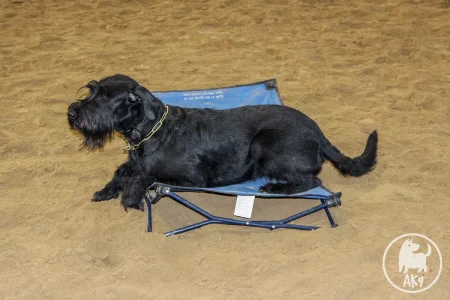
Turns out, their previous trainer—who, of course, “only used force-free and positive methods”—insisted the dog’s ears and face be clean. When I asked (genuinely puzzled) what this had to do with training, the owner explained that too much hair in the ears allegedly interferes with recall. Likewise, the beard might rub against clothing, making the dog uncomfortable and unwilling to heel.
I didn’t think it was possible to make someone believe this, but apparently, anything is. Hats off to that trainer for successfully indoctrinating my prospective client.
So here’s my hot take: Your dog’s facial hair—unless it’s literally blocking its eyes—has nothing to do with obedience. If it’s hot, a very hairy dog might be a bit slower, sure. But if your dog is completely ignoring your “COME!”, the problem is definitely not its hairstyle.